EDEN
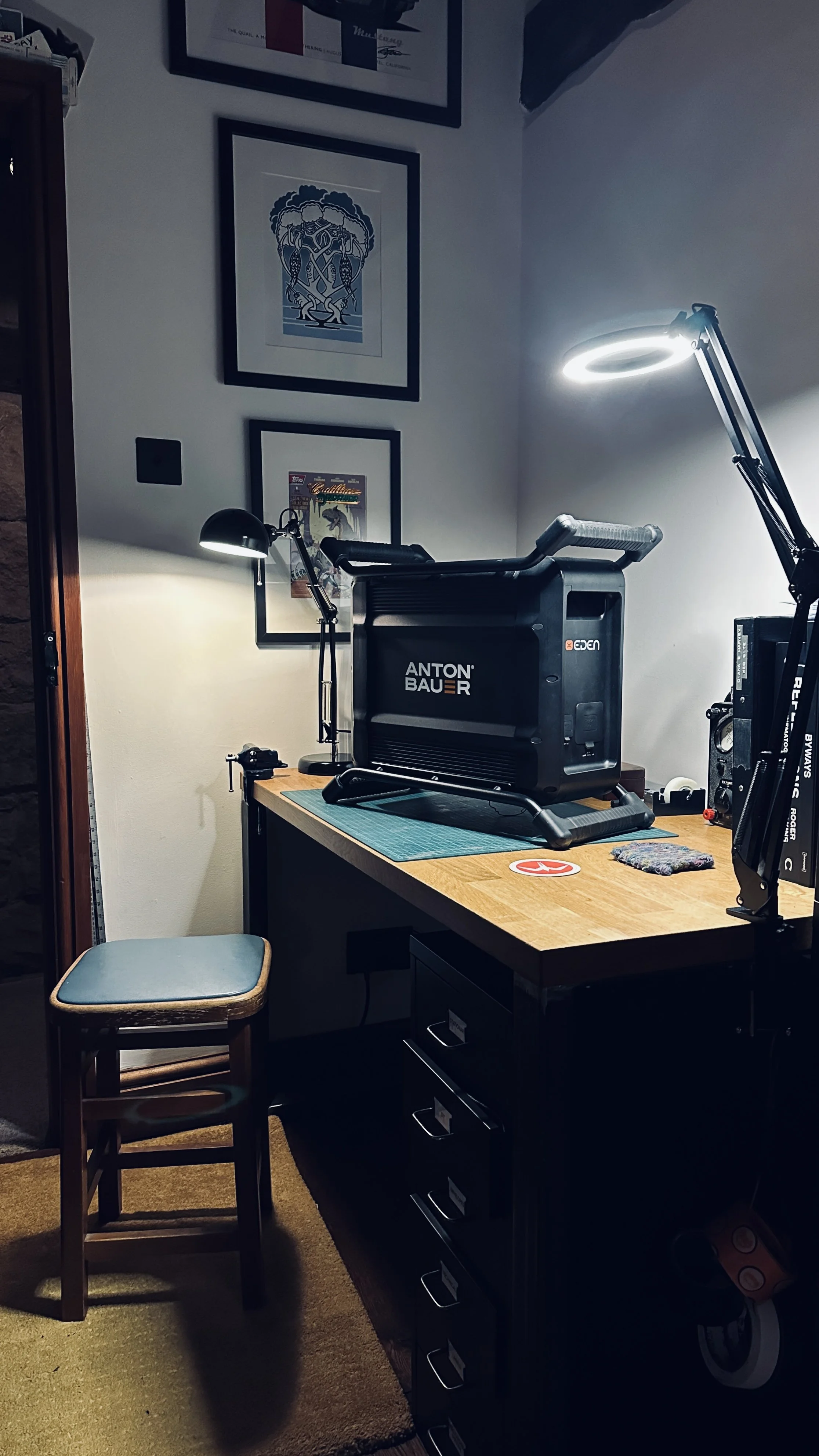
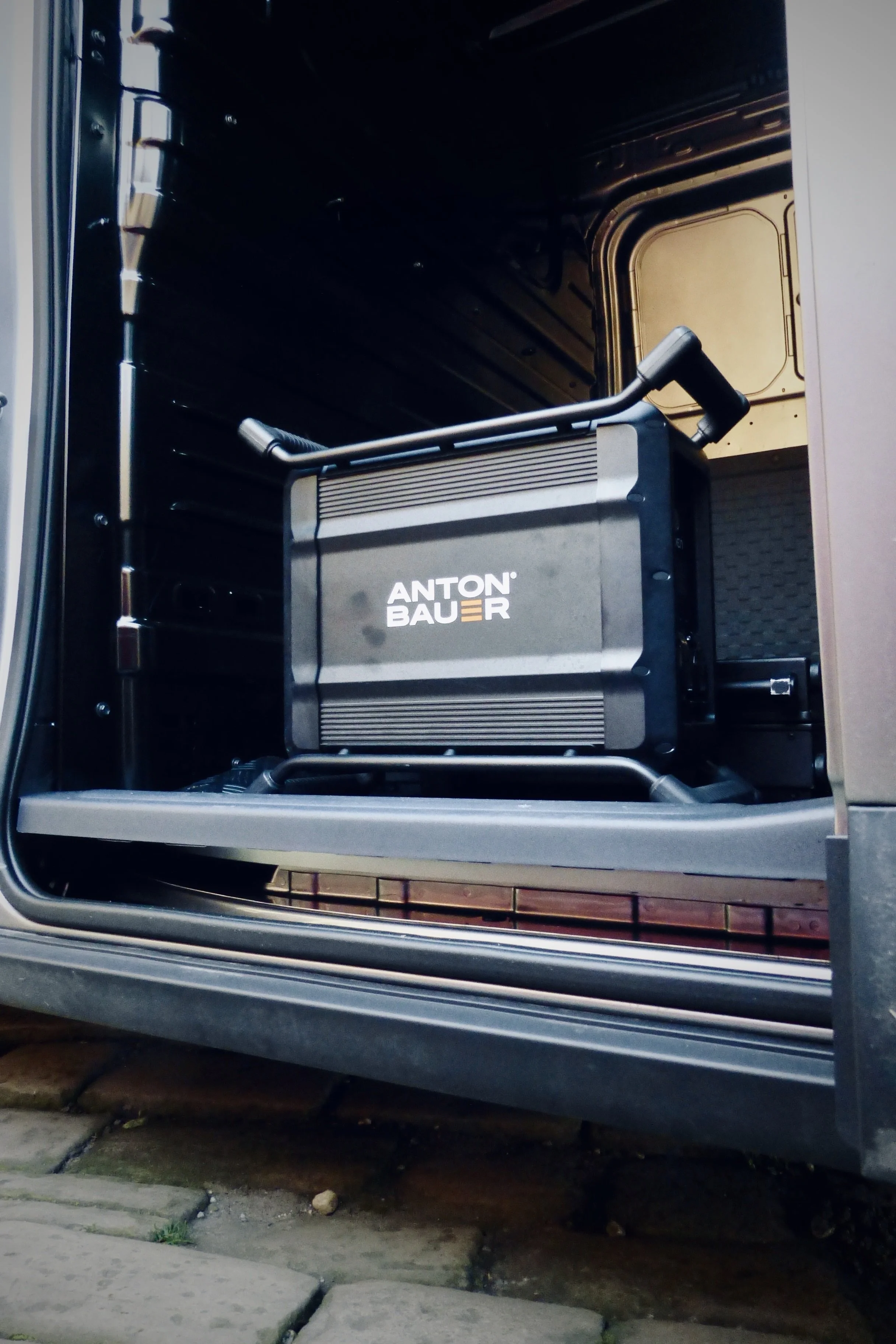
Thanks to Anton/Bauer this unit has just landed on my desk. It’s an EDEN.
Power is one of those quiet problems in filmmaking. You don’t notice it when everything works, but when it doesn’t, the whole set grinds to a halt. Coming up as an AC, power was always on my mind and would keep a run bag fully stocked with fresh batteries, always ensuring we had some charging, roattaing as required.
The camera always needed to be up, running and transmitting. Sometimes that was easier, especially in a studio where a block battery would normally power the system.
On location it became trickier, but you made it work by dual battery plates, cycling batteries and keeping the trainee on top of topping up your run bag. Back then the mobile solution was a camera truck or generator. Distro would get laid and life go one with a distant hum of a generator. Sometimes you’d get lucky and there might be a 13amp you could blag from a house or business, it all wroekd, but it isn’t always elegant. And increasingly, with cuts to crew size and budgets, it isn’t always practical either.
Today, the lower power consumption of cameras, lights and just about everything else has created space for mobile battery banks, either to power kit all day or provide a top-up where needed.
Modern LED lighting has made it possible to run surprisingly capable setups on modest electrical loads. This had been on my mind for one key reason, I’ve recently bought a Kia PV5 electric van for work. One of the quietly brilliant features of the vehicle is its V2L capability. Vehicle-to-Load. In other words, the van itself can output mains power directly from its traction battery.
It’s a fantastic idea in principle. The van becomes a power source. A mobile generator with none of the noise or fumes.
But like most things in production, the moment you start thinking practically, a new problem appears. The van can supply power, but the van cannot always sit next to the set. And at the end of the day it still needs enough charge left to get me and the kit home. Sometimes the camera is halfway up a hill. Sometimes the interview is across a courtyard. Sometimes you’re tucked into a forest track or on a beach where running a cable from the vehicle simply isn’t realistic.
That’s where something like the EDEN starts to make a lot of sense.
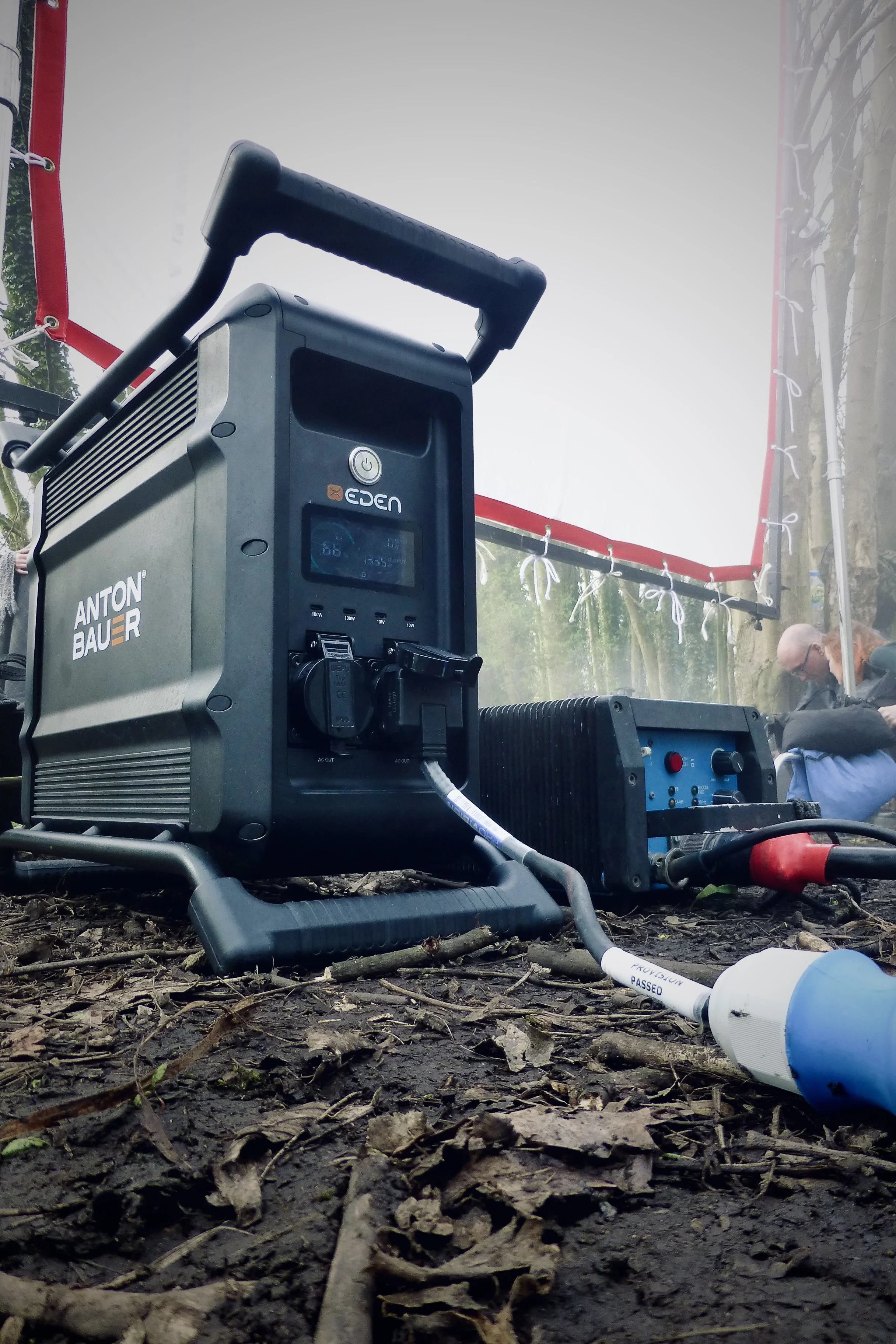
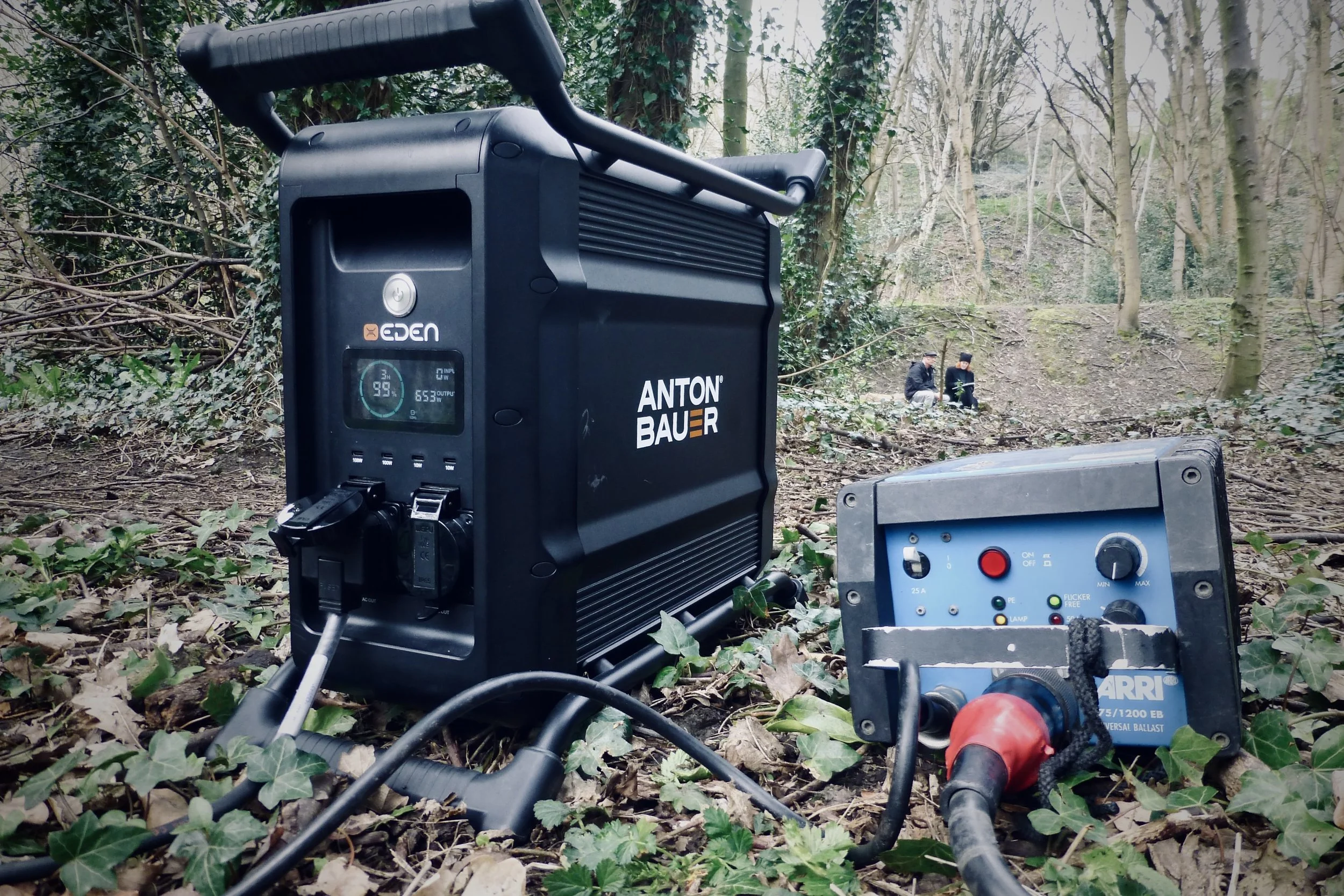
At its core the EDEN is a portable battery power station designed specifically for production environments. It stores around 2.5 kilowatt hours of energy and can deliver up to 2500 watts continuously through standard 13amp outlets and USB-C ports, four in total.
Of course the real world is rarely as tidy as the spec sheet. Once energy passes through an inverter and gets converted into stable AC power, some of it disappears along the way. It’s normal to see roughly fifteen percent lost in the process.
So while the battery stores 2500 watt hours, in testing the usable figure in practice is closer to about 2100-2200.
Thats the cost of doing business with power conversion. But it does mean the honest way to think about runtime is always with that real-world number in mind.
Lighting
Take a modern high-output LED like the Godox KNOWLED M600R. It pulls around 720 watts at full output. In real terms, once you factor in the usual losses, the EDEN will run it at 100% for about three hours. That’s already enough to be useful. An interview key, a night exterior, a controlled scene where you’re not constantly chasing the light. With two EDEN units in rotation, and given how quickly they charge, you could keep something like this going through the night without much stress.
Drop down a level to something like the Amaran F22c, a 2x2 RGB mat drawing roughly 240 watts, and things start to feel a lot more relaxed. On paper you’re just over ten hours, but in practice it’s closer to nine. Still, that’s basically a full shooting day. You can imagine it running quietly from morning to wrap without anyone really paying attention to it.
LED tubes push it further again. A four-foot tube in the range of an Astera Hyperion sits around 90 watts at full output. At that point the EDEN feels almost oversized. Theoretical runtime gets close to 27 hours, with real-world use landing somewhere nearer 23.
In practical terms, that could be eight tubes for about three hours, or a dozen for close to two. Enough for a night setup or anything practical-heavy, without the background hum of a generator or cables running halfway across location.
Out of curiosity, I also tried looking at it through the lens of older fixtures. An 800W open-face tungsten head, the kind that’s been in lighting packages forever, would give you somewhere between two and a half to three hours.
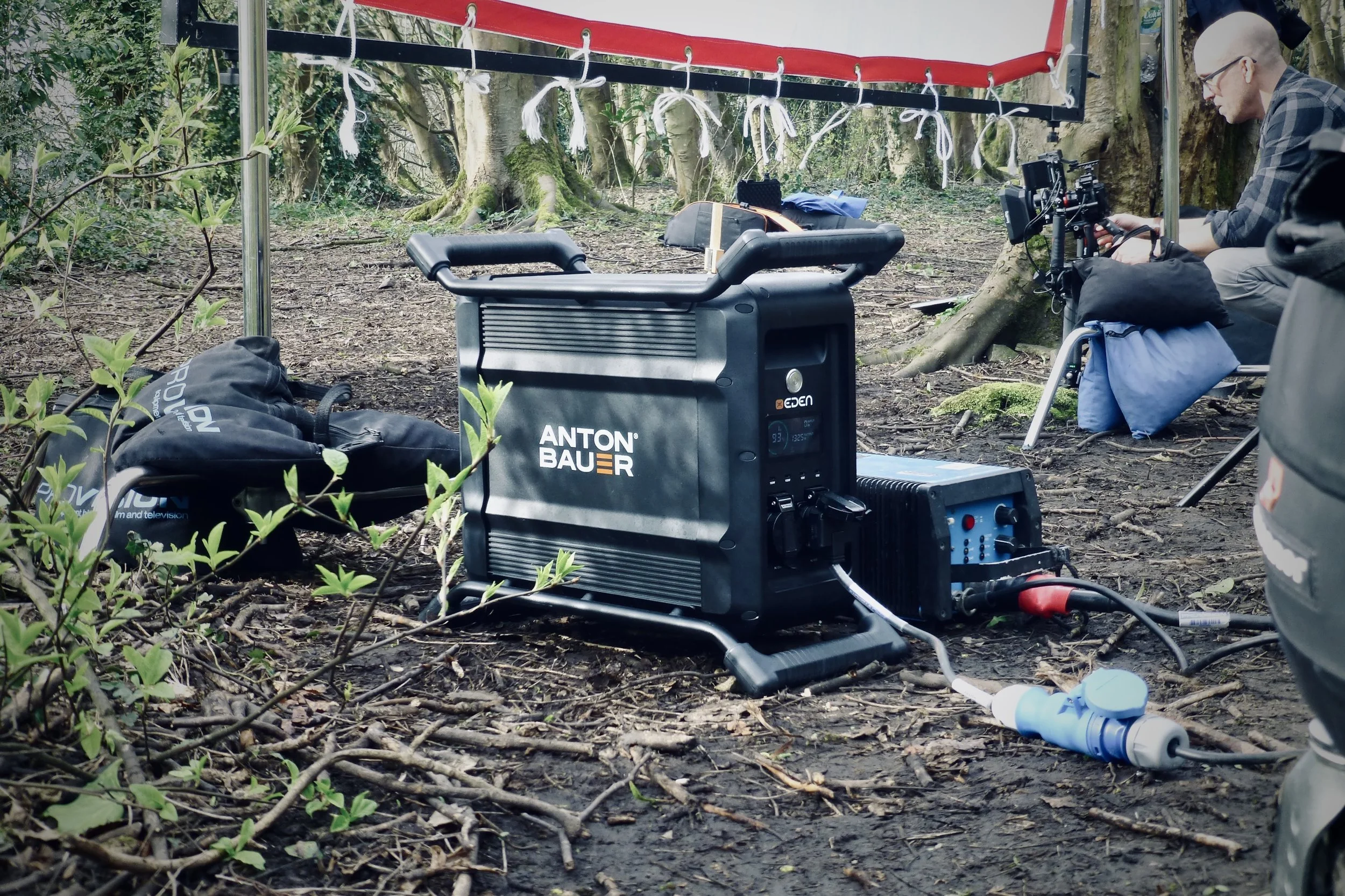
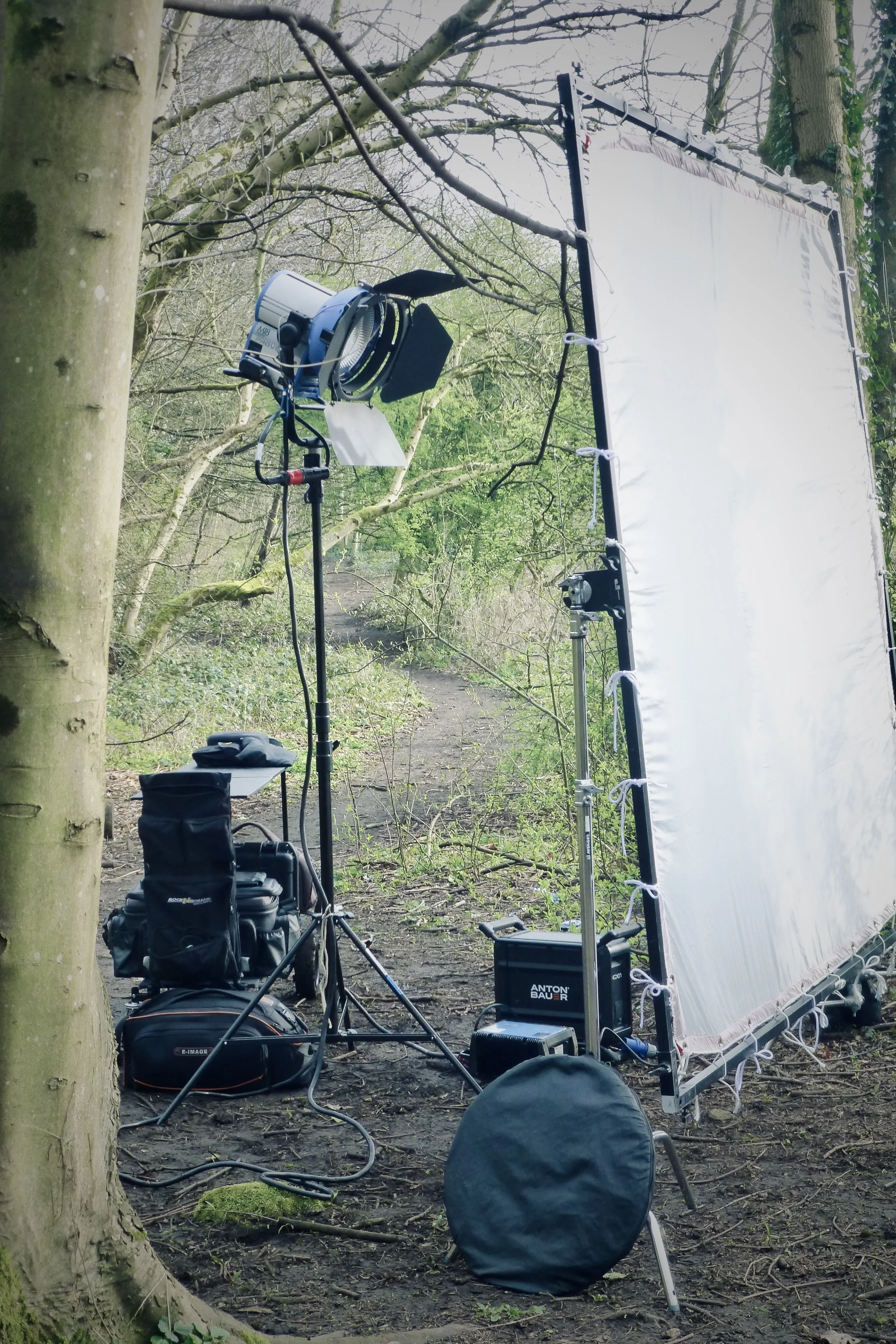
The more interesting test was with a larger lamp. On a short music project in the woods, we ran an ARRI M18 off the EDEN. With the ballast set to high, it was drawing around 1400 watts. Against the EDEN’s 2500Wh capacity, that works out to roughly an hour and forty-five in theory, and closer to an hour and a half in practice.
We managed to stretch it across the morning by being careful with how we used it, then recharged in the afternoon. Brought it back later with a full battery, finished the remaining scenes, and still had about 35% left.
Other Uses
Where systems like this become genuinely useful to me is not just running lights, but managing energy across other departments throughout the day. A typical 150 watt-hour V-lock battery can be recharged around thirteen times from a fully charged EDEN.
A 16-inch MacBook Pro, with a battery capacity close to one hundred watt hours, could be charged over twenty times.
In other words, the unit can easily function as a mobile charging hub for DIT, production and camera.
When it comes to my own camera system, the VENICE draws roughly 120–180 watts for the camera body, monitor, wireless and motors. That equates to a runtime of around sixteen hours.
While the EDEN isn’t a dedicated block battery with 5-pin XLR outputs, in my opinion it’s actually more versatile for a smaller set. Anyone on the team can use it with a simple 13-amp socket, and it can easily be adapted to support a camera system, whether that’s a high-end cinema camera like the VENICE or something smaller like an FX3 powered over USB-C.
The Van
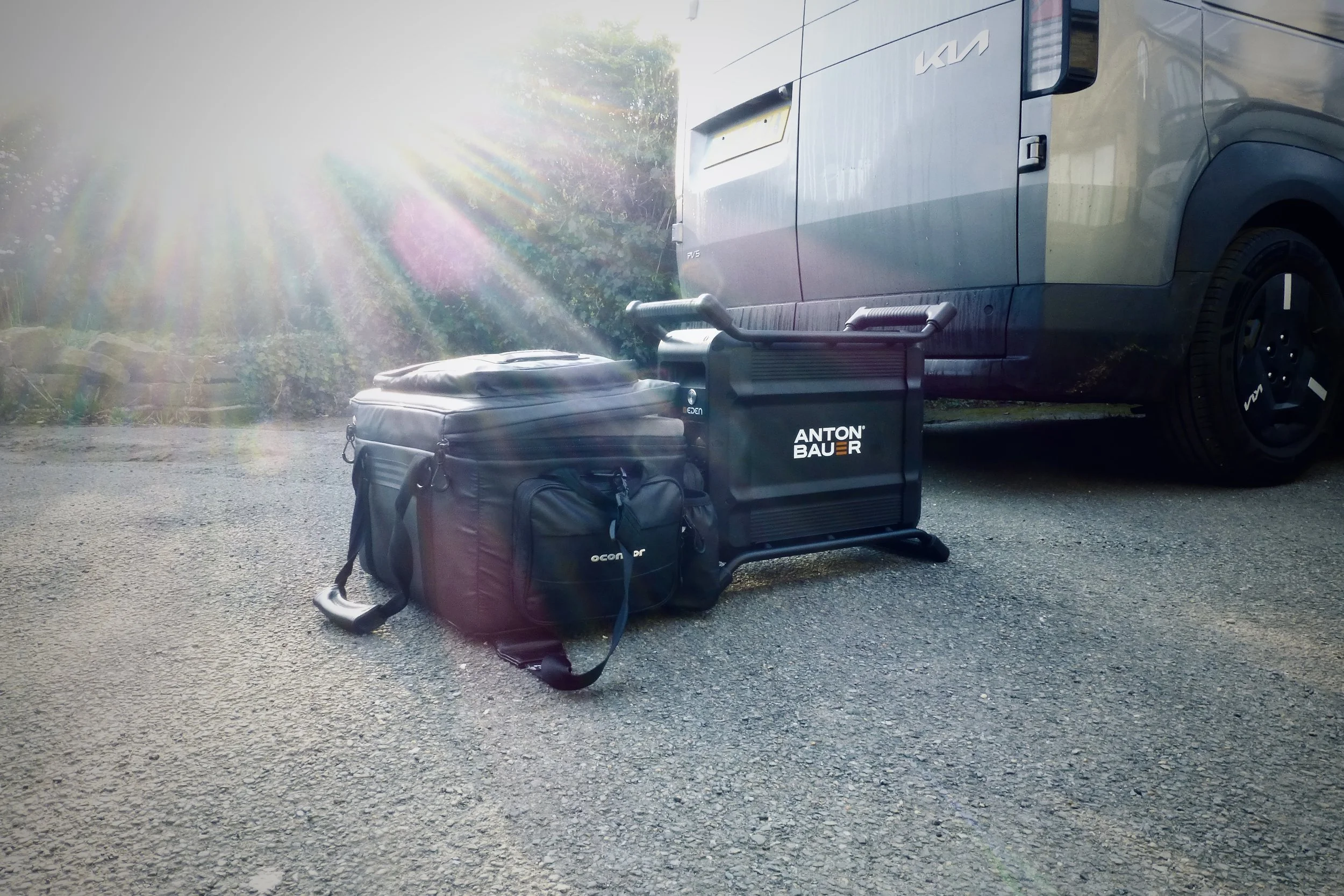
This is where the idea starts to link neatly with the electric van. I’m imagining arriving on location with the PV5 acting as the first stage of the power system. The vehicle’s V2L output allows the EDEN to charge directly from the van’s battery while travelling, while charging overnight, or even parked between setups.
Then when it’s time to shoot, the EDEN becomes the portable energy block you carry onto location, or simply leave in the van as a reserve.
Instead of running fifty metres of cable from the vehicle, you simply pick up the power and walk it to where the lights are. The van remains the silent generator in the background while the battery station becomes the working interface on set.
It’s a small shift in thinking, but I’m fairly sure it’s going to be a powerful one. The vehicle provides the large energy reserve. The portable battery distributes it in a much more flexible package. In some ways it feels like a forward operating base for power.
For documentary crews and smaller narrative setups in particular, it opens up a different way of working. Power stops being tied to a fixed point. It becomes something you bring with you, like any other piece of kit.
And there’s one final thought I can’t quite shake.
If a battery system like this can comfortably run lighting fixtures, recharge camera batteries and keep a DIT cart alive all day, then surely it can handle one more essential piece of production equipment. Because somewhere between the cables, batteries and cameras, there’s this small, slightly ridiculous luxury. A coffee machine, griding and bewing premium beans in the middle of nowhere.
Not essential, not efficient, but quietly transformative. Having the EDEN means we’ve got something that doesn’t just keep the lights on, it makes a remote location feel just that bit closer to home.
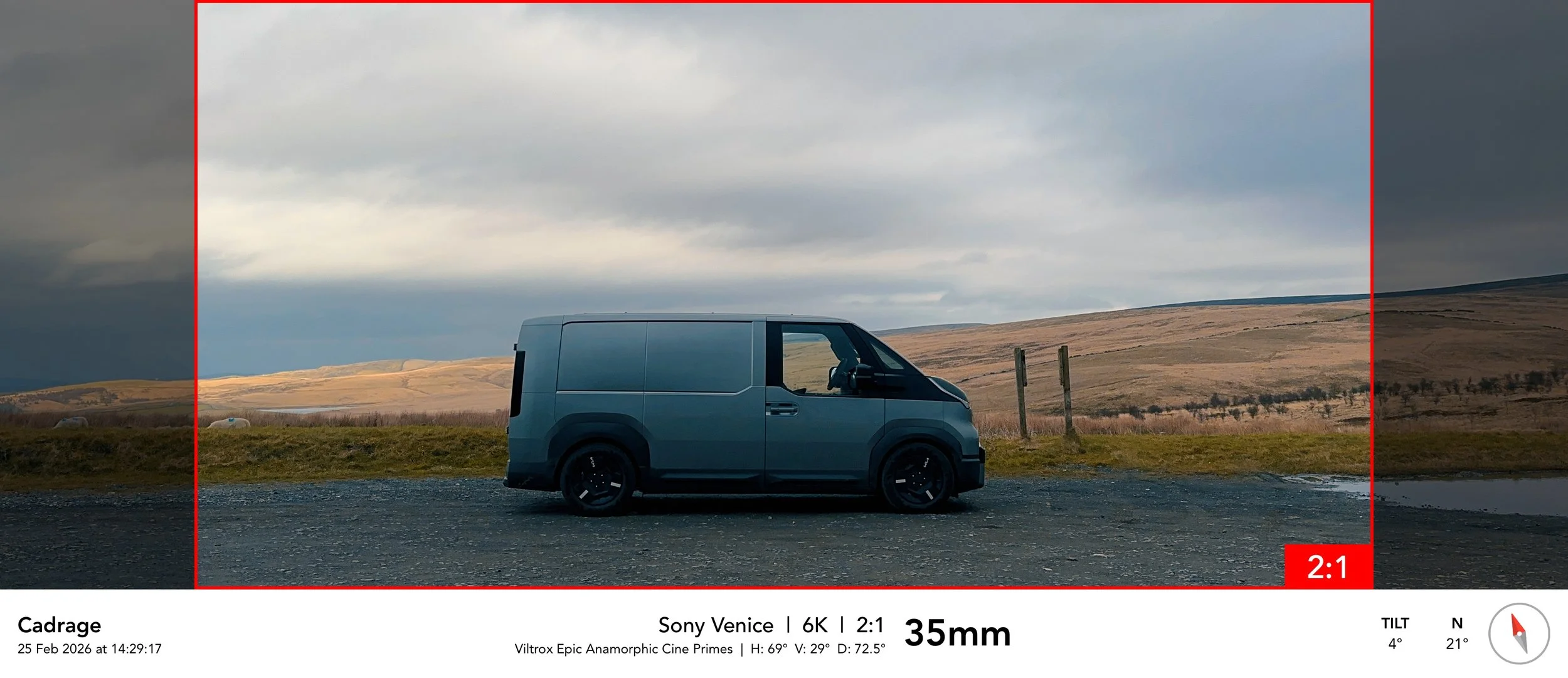
Kia PV5 - Projects comming soon…