When is the juice worth the Squeeze?
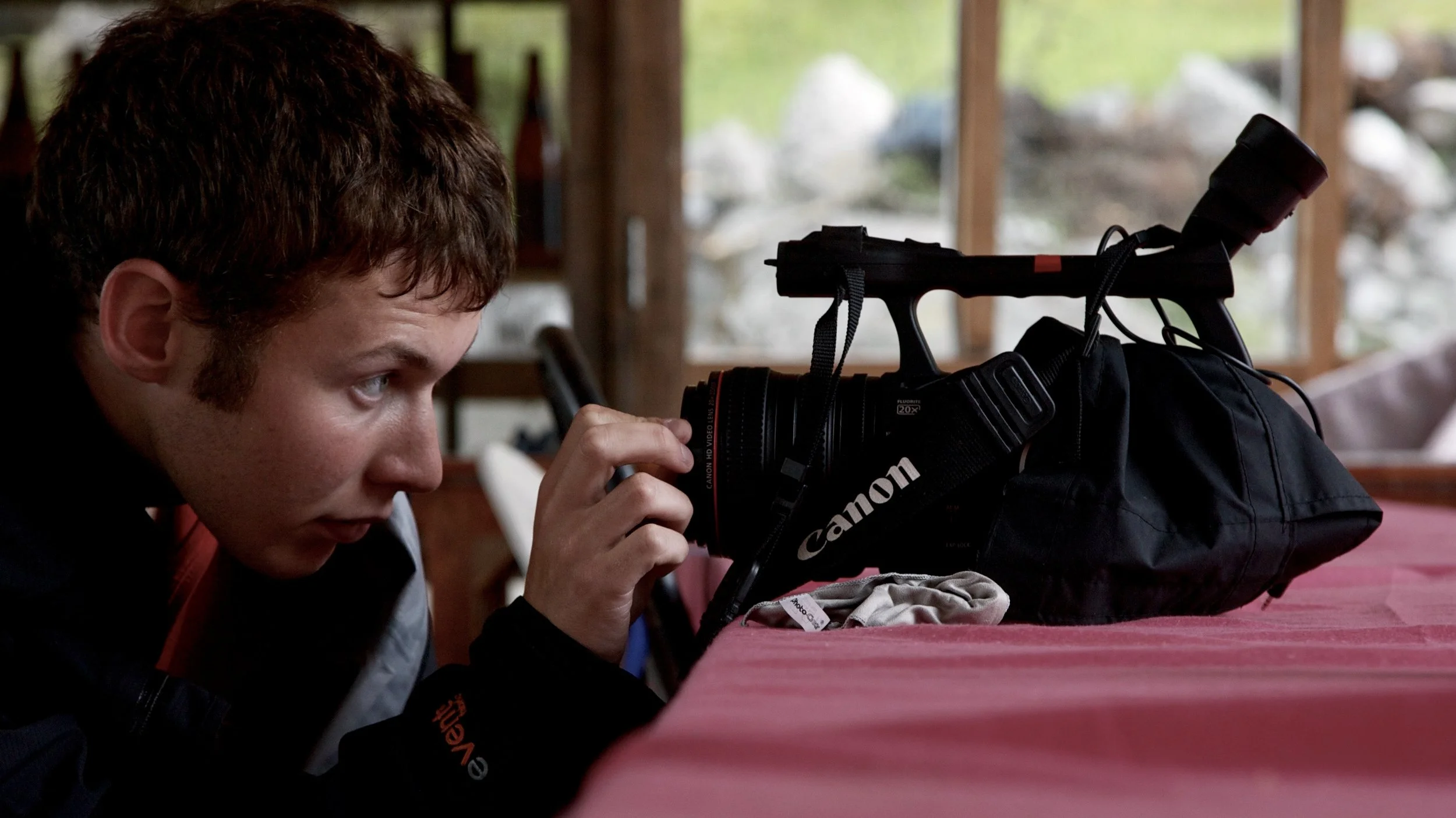
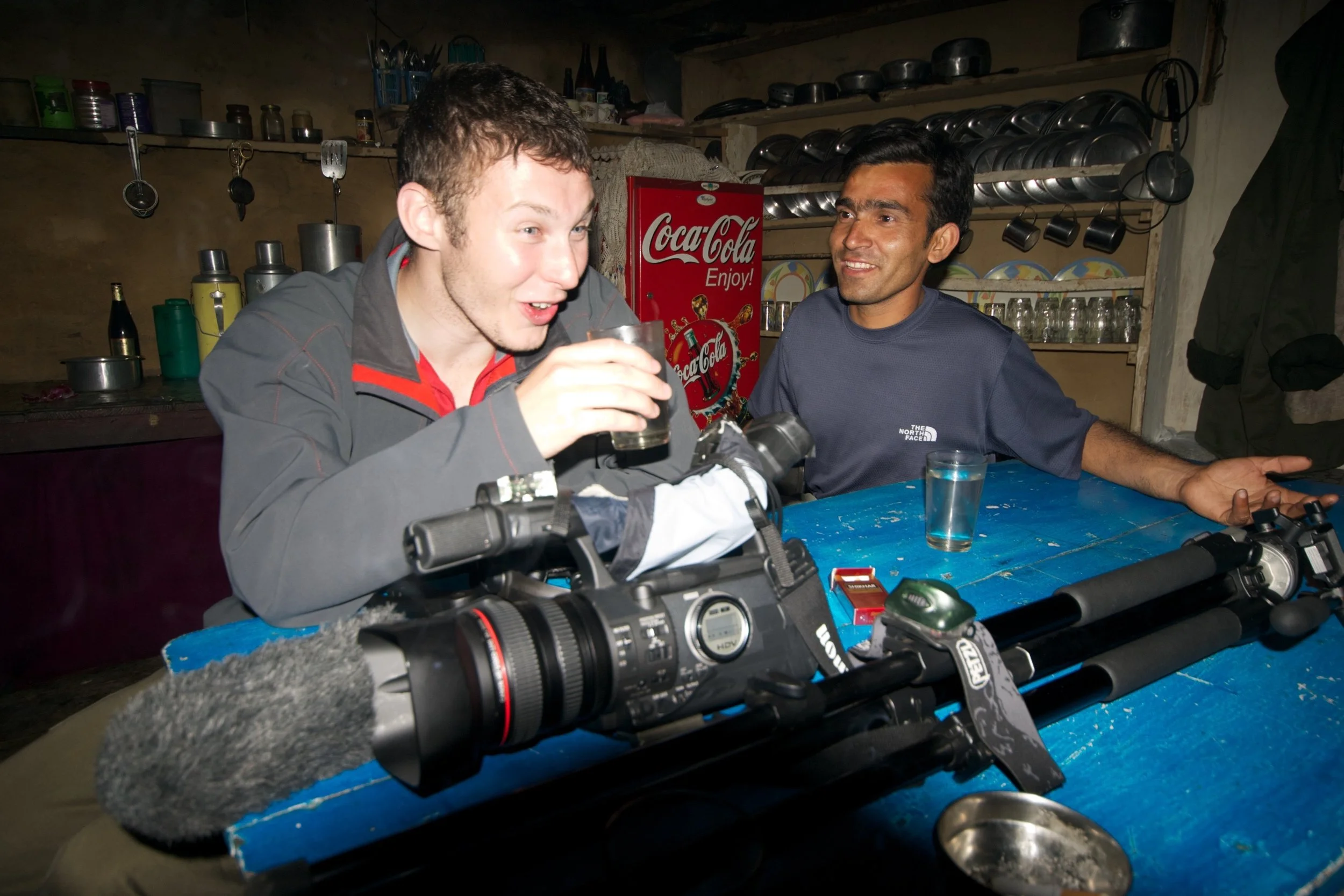
Canon XH A1 HDV Camera, somewhere in the Himalayas back in 2007
The photograph front and centre of this post is from early, early in my career. I’m cleaning what, at the time, was one of the very best HDV cameras I could get my hands on. It felt like serious filmmaking equipment. And in many ways it was. It was the tool that allowed me to start experimenting, learning how light behaved, how movement affected a scene and how a camera could begin to tell a story.
But the reality was that the technology of the time placed limits on what we could achieve. The sensors were small, the images fragile, the storage medium was tape, and no matter how carefully we worked the results rarely resembled the cinematic images that had inspired us in the first place.
Today that situation has flipped on its head.
I’m currently preparing to shoot a short drama in the North Yorkshire moors using a collection of tools that would have seemed extraordinary back then. More compact, (relatively) affordable, and capable of delivering images that comfortably sit alongside far more expensive platforms.
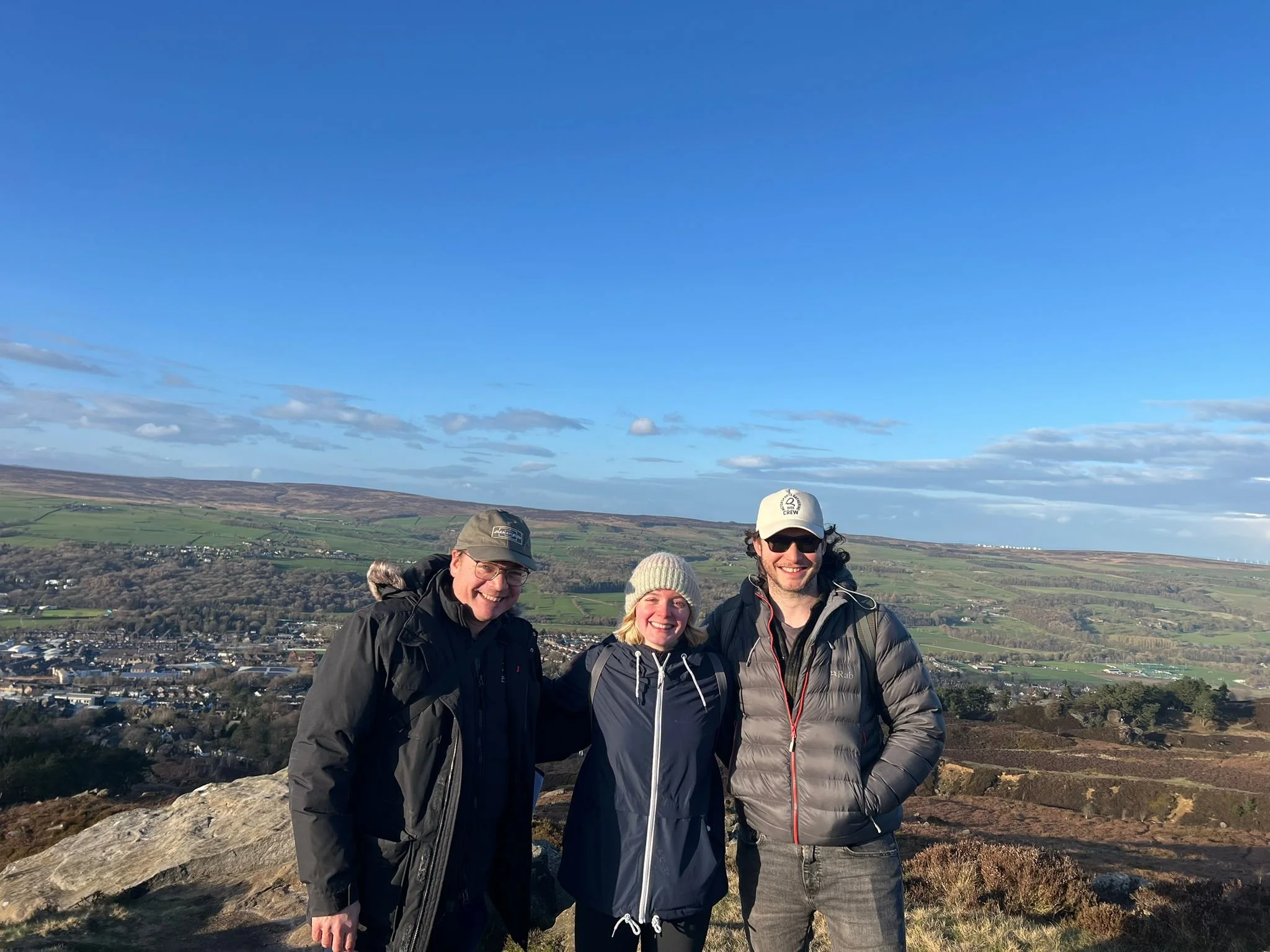
James Mellor, Beth Whitehouse and Me
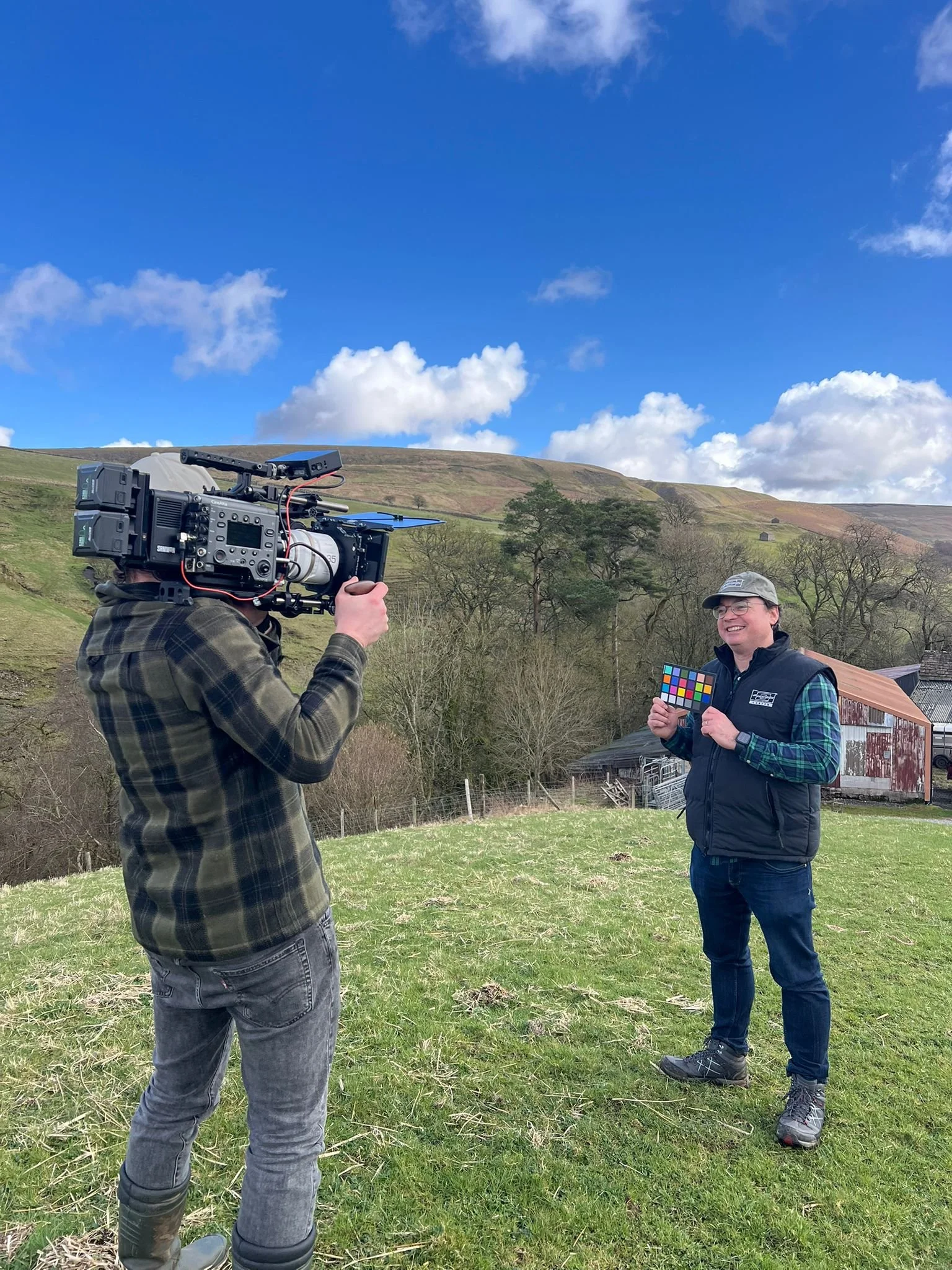
Testing
People often talk about the democratisation of filmmaking in broad terms. But it becomes very real when you’re standing on a windswept moorland, trying to work out how you will get your equipment and team up a long path to the top of a very large hill.
The project is a personal drama between two characters saying goodbye in their own way. The kind of film where performance carries the weight and the camera’s role is simply to be present. Close enough to feel what the characters are experiencing, but never so intrusive or flashy that it distracts from the moment.
Because of this intimacy, it felt right to shoot the majority of the film handheld. It’s a stylistic choice in its own right, but also a practical one. It places the audience alongside the characters. We’re not observing their journey from a distance. We’re walking it with them.
But handheld alone doesn’t carry this story. When you’re working with two characters for much of the narrative, the cinematography still needs to keep an audience’s attention and elevate certain moments within the dialogue. Subtle shifts in how and when the camera moves can completely change how a scene feels. A conversation that begins static might drift slowly as the characters walk. A change in pacing can alter the emotional perspective of the moment.
Yet those creative decisions quickly become practical ones.
How do you create that kind of movement in a location where simply getting the equipment there is half the battle? How do you keep costs down while keeping the image quality up?
Our recce took us through Keld and across Ilkley Moor. Beautiful landscapes, but places that are not particularly forgiving from a production standpoint. Road access disappears quickly. Weather changes without warning. Carrying even a modest amount of equipment becomes something that needs proper planning.
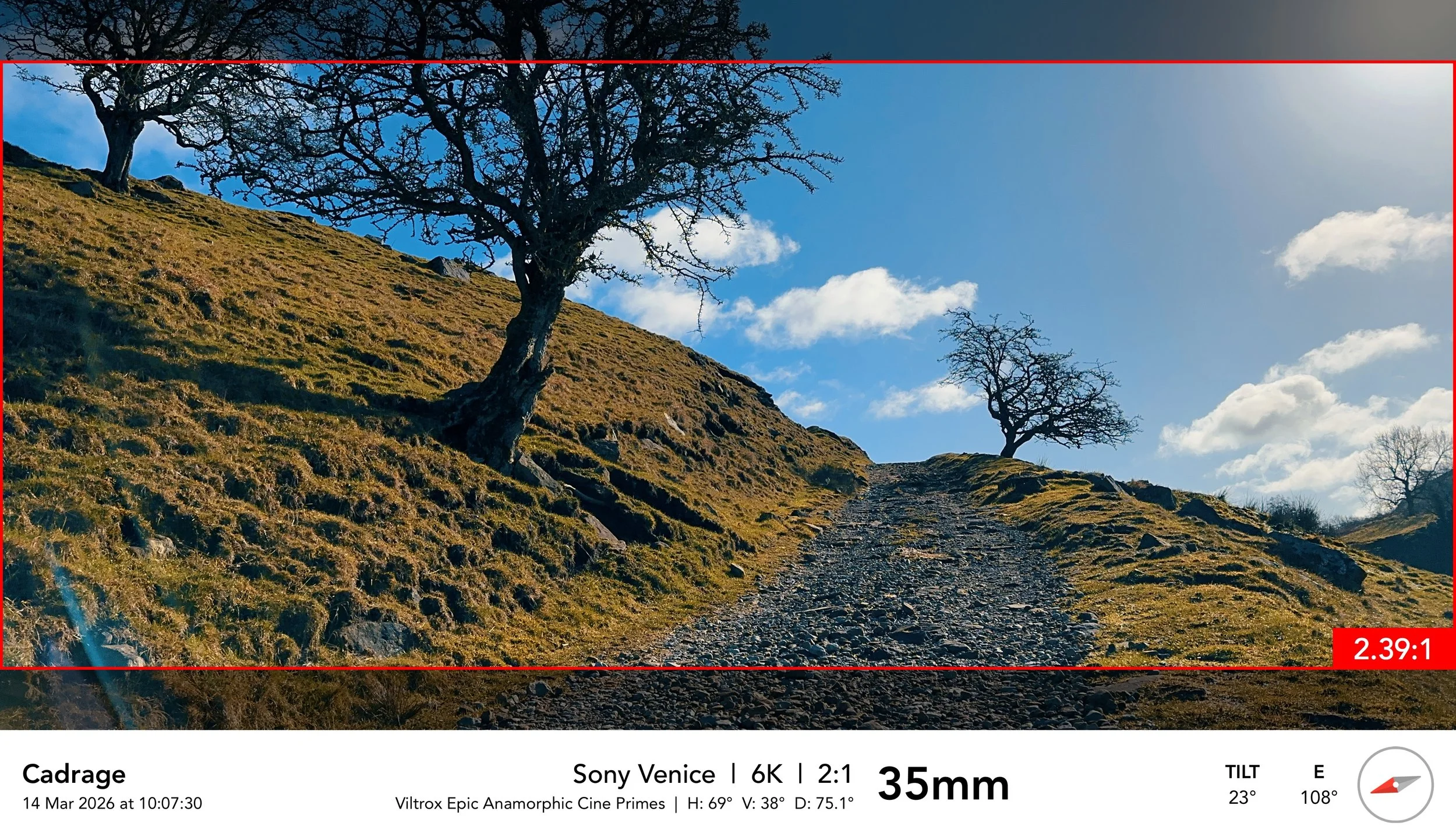
Cadrage mapped with the Venice and 35mm
When you’re working in locations like this every decision about equipment and crew has a knock-on effect.
Weight matters. Power matters. Crew size and energy levels matter. And yet the images still need to carry the emotional weight of the story.
There’s a phrase I often come back to when dealing with these kinds of challenges. Is the juice worth the squeeze? The effort involved in making something work technically often raises the quality of the storytelling itself. Constraints force you to make better decisions.
Our primary camera for the film will be the Sony Venice paired with a set of Viltrox Epic 1.3x anamorphic lenses. Not what many would describe as a particularly portable rig.
While the Viltrox lenses are not inexpensive, for what they deliver they represent remarkable value. Subtle anamorphic character, extremely consistent, completely usable wide open at T2, pleasing flare behaviour and a rendering that feels timeless without trying too hard. Combined with the Venice and some carefully chosen filtration, they give us exactly the texture we’re looking for in the core of the film.
For me, the Venice is very much worth the squeeze. Operating it handheld brings a certain stability and weight to the image. Practically speaking it’s also an incredibly usable camera. High image quality, X-OCN RAW recording, robust build, excellent on the shoulder and straightforward for a focus puller to manage. The weight of the system helps anchor the movement, allowing the shot to breathe naturally with the actors.
But occasionally the story calls for something a little more dynamic.
During prep I explored the possibility of using the Ronin 4D system, thanks to a test arranged by Phil Fearnley and Dave Hackney. It’s an extraordinary piece of engineering and on many productions it would be an ideal solution. In this case the lenses we had available didn’t balance comfortably or ergonomically accommodate a focus motor. Between the balance limitations and the financial reality of a very small independent production, it simply wasn’t the right tool on this occasion.
Bringing in a larger gimbal system for the Venice would have solved the problem technically, but it would also have introduced additional crew, cost and logistical complexity. This project is very much a labour of love for everyone involved; we all care deeply about the script. Keeping the footprint small is part of what makes the film possible, and actually that feels appropriate for such an intimate story.
So instead we looked for a less-is-more solution.
The answer came in the form of a smaller camera that could live alongside the Venice and step in when the story needed a lighter touch and significantly more movement. A Sony FX3 paired with Blazar’s remarkably small 1.3x anamorphic Beetle lenses, mounted on a compact RS3 gimbal.
The Beetle lenses are fascinating pieces of design. They’re genuinely tiny, purpose-built to make anamorphic shooting possible on compact mirrorless cameras and lightweight stabilisers. Despite their size they still deliver true 1.3x anamorphic characteristics, including horizontal flare and oval bokeh.
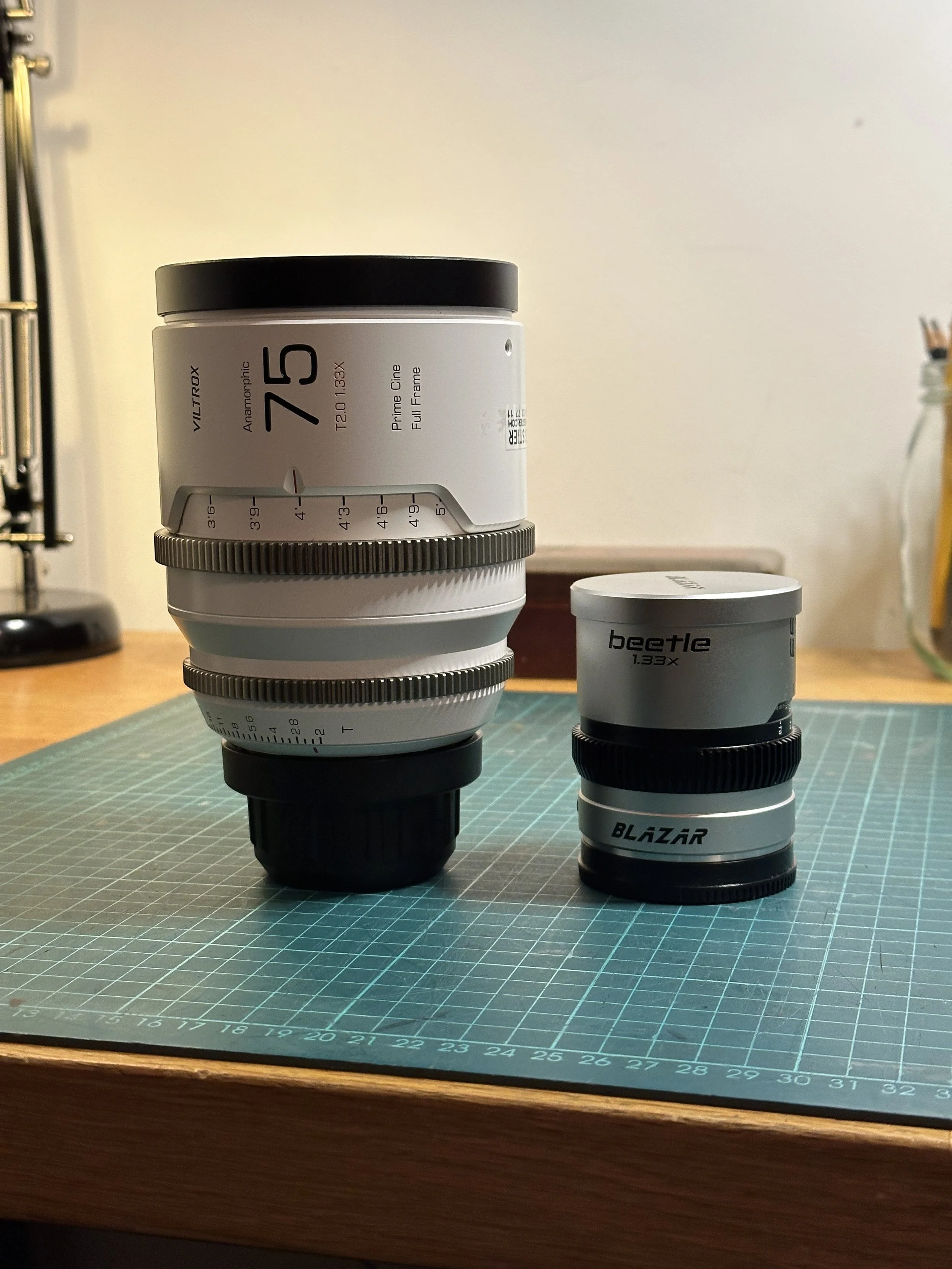
Viltrox and Blazar
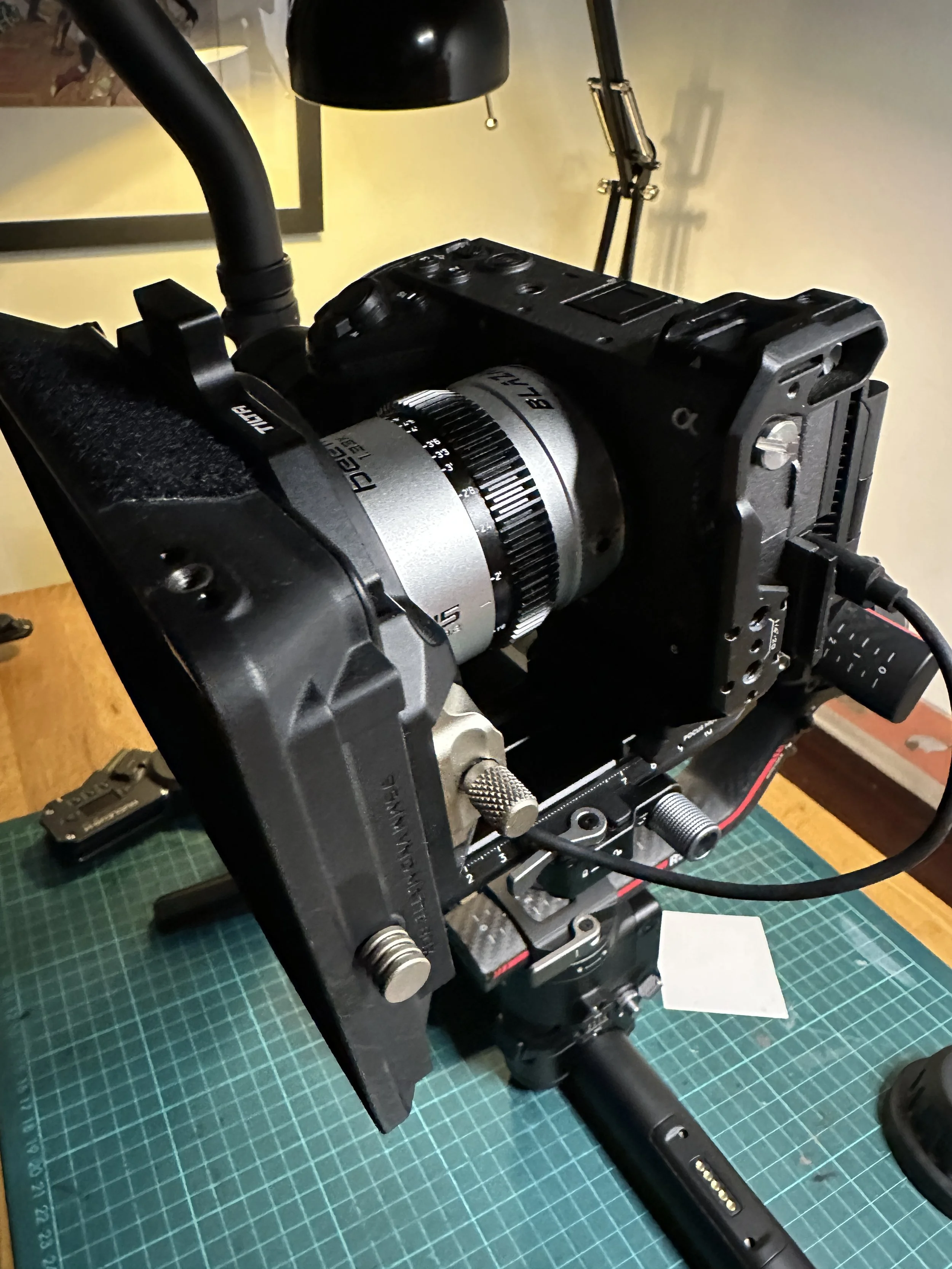
Rough FX 3 Build
They do come with a few limitations. The focus throw isn’t the easiest for a focus puller to work with, and the aperture is fixed at T3.2, which might occasionally leave me wishing for a little more depth-of-field control. They also require stepping the filter thread up from 55mm to 67mm in order to interface with a lightweight matte box such as the Mirage. It’s a small additional point of failure perhaps, but with a single 4×5 filter and a circular drop-in ND we should be covered.
Thanks to Andre kindly lending us his set we were able to test them in unison with the Viltrox Epics. With a little help from filtration on the Viltrox lenses we found we could match the two systems well. Not perfectly, but close enough that cutting between them across different scenes feels natural rather than distracting.
That’s quite remarkable when you consider the difference in size, weight and cost between the two lens sets.
Mounted on the RS3 gimbal, the FX3 and Beetles become a genuinely portable system. Something we can carry comfortably across moorland. The rig will carry a Vaxis wireless transmitter and onboard monitor, with focus handled remotely by my focus puller, the great and powerful Leo Green, using a Nucleus system.
Powering B-camera is elegantly simple. The RS3 we’re using has a dedicated ergonomic ring design, similar to a Ronin 2, which allows us to feed power from a V-Lock battery internally. With a simple D-tap splitter we can power the onboard monitor and the Vaxis transmitter from the same source.
The Tilta motor draws power directly from the gimbal’s USB port, while the camera itself runs from the battery system tucked neatly into the gimbal handle. It’s a compact ecosystem that can operate independently in the field without a huge support infrastructure. Exactly what you want when you’re standing miles from the nearest road, car park, or magliner.
That said, thanks to Anton Bauer we’re well covered on batteries. It should allow us to set up a staging area a little closer to the location.
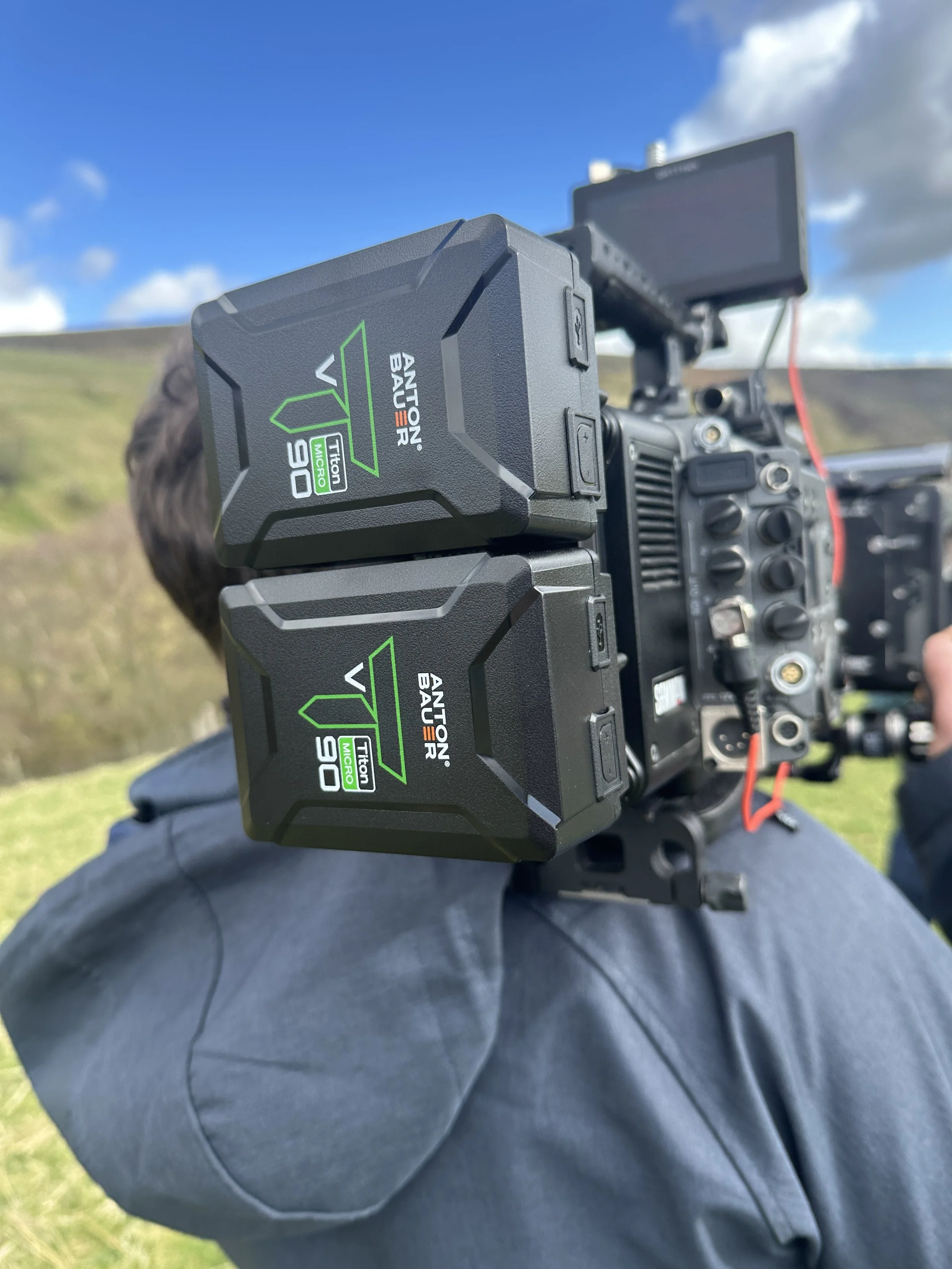
Portable Power Testing
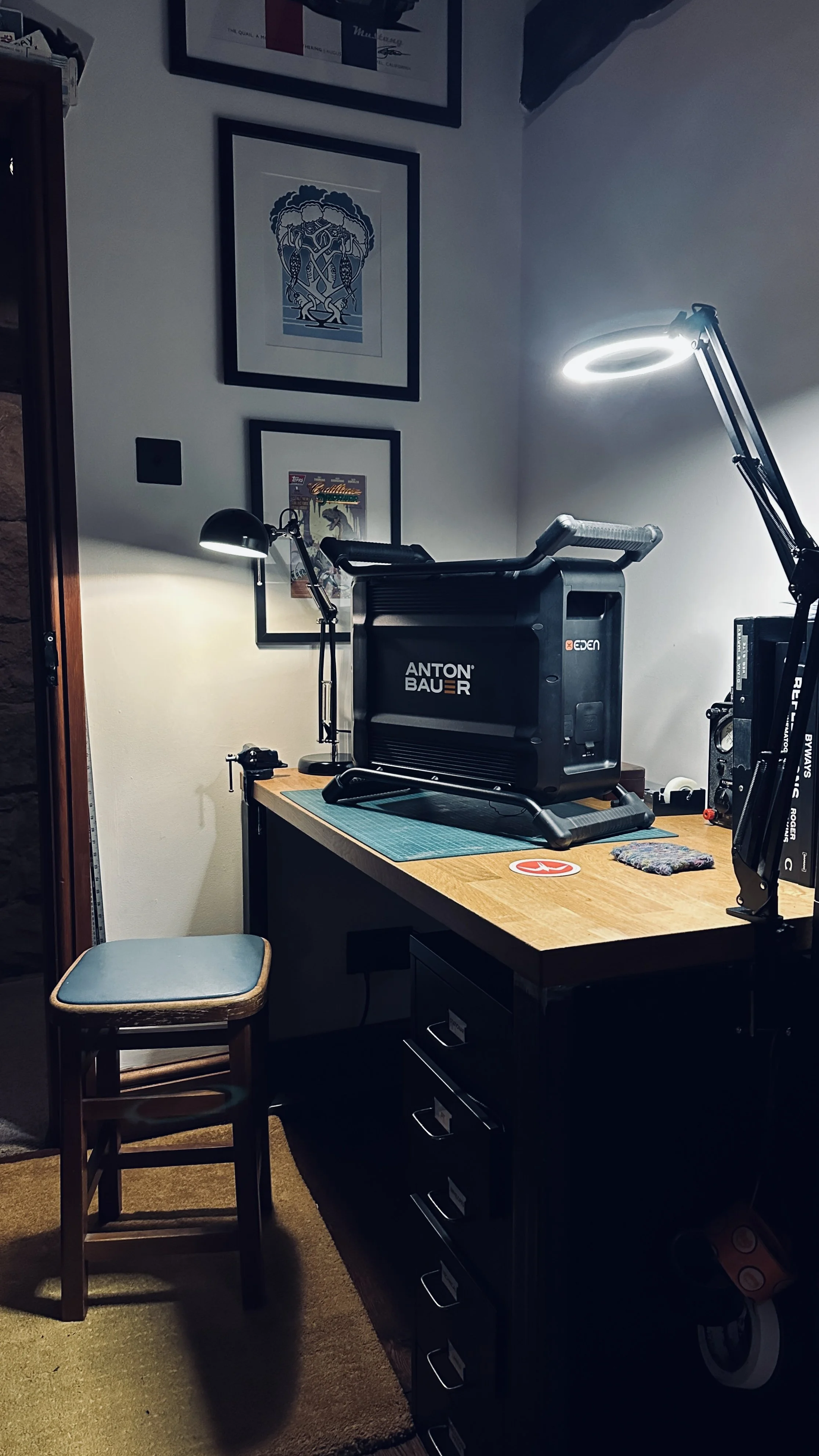
EDEN on the workbench
We’ll also be running Anton Bauer Titon batteries throughout the production, alongside an EDEN portable power station. The EDEN is essentially a high-capacity, silent power source designed specifically for film production. It allows us to recharge batteries, power computers or run small lighting setups in places where traditional generators simply aren’t practical. On a remote shoot like this that flexibility becomes extremely valuable.
Looking at this collection of tools laid out during prep it’s difficult not to reflect on how far things have come.
There was a time when achieving a cinematic image required equipment that was financially unreachable for most independent filmmakers, especially students like myself who self-funded their first films. Even when the gear was available, it was often too large or too complex to take into remote locations.
Today we’re seeing an influx of incredibly capable equipment. Lenses are a good example. Every year new glass seems to emerge from new manufacturers, many of them from China, often inspired by the design philosophies of established brands like Canon, Cooke or Zeiss. While I still love shooting on Cooke lenses, owning or even accessing glass at that level on a small independent production can be difficult. Even with great relationships at rental houses, the costs and risks quickly become prohibitive when you’re taking them into the wild.
Amongst the noise there are certainly brands I avoid, especially in lighting, but there are also some remarkable tools emerging. My DZO Catta full-frame zooms, for example, rival my old Fujinon Cabrio which cost ten times as much. They’ve become real workhorses, and I genuinely love the character they offer. The same goes for the Viltrox 1.3x lenses — arguably delivering a £10k look and build quality for a £3k price tag.
The repertoire of lens looks that once required enormous budgets now exists in forms accessible to smaller productions, small filmmaking collectives and owner-operators.
Of course tools alone don’t make films. Despite some efforts to the contrary, story still matters. Collaboration still matters. Craft still matters. But access to these tools opens doors in situations where they might previously have remained firmly shut.
They allow filmmakers to take ambitious ideas into places that would once have been impossible. Remote hillsides included. We can now explore hidden corners of the landscape where the logistics, budget and lack of choice once outweighed the creative ambition.
Perhaps that simply means fewer compromises.
As someone who has been around long enough to remember the earlier days of digital, it’s genuinely exciting to see this shift. Even more so when you’re surrounded by a crew full of vibrant young filmmakers bringing new energy into the process — and the industry.
Between myself and my gaffer we might push the average age on this set up by a few years, but who’s counting.
The tools are catching up with the imagination of the people clamouring to use them. And sometimes that means embracing the changes happening in our industry — at least the positive ones — while still standing up for the elements of craft that we believe matter.
Perhaps that’s the small gift we can offer the next generation of filmmakers stepping up. Though of course they’ll do it differently. And why wouldn’t they? Yet one universal question might still be relevant… and at least for now and for The Last Hike, it’s absolutely is worth the squeeze.
Good Juice!